about
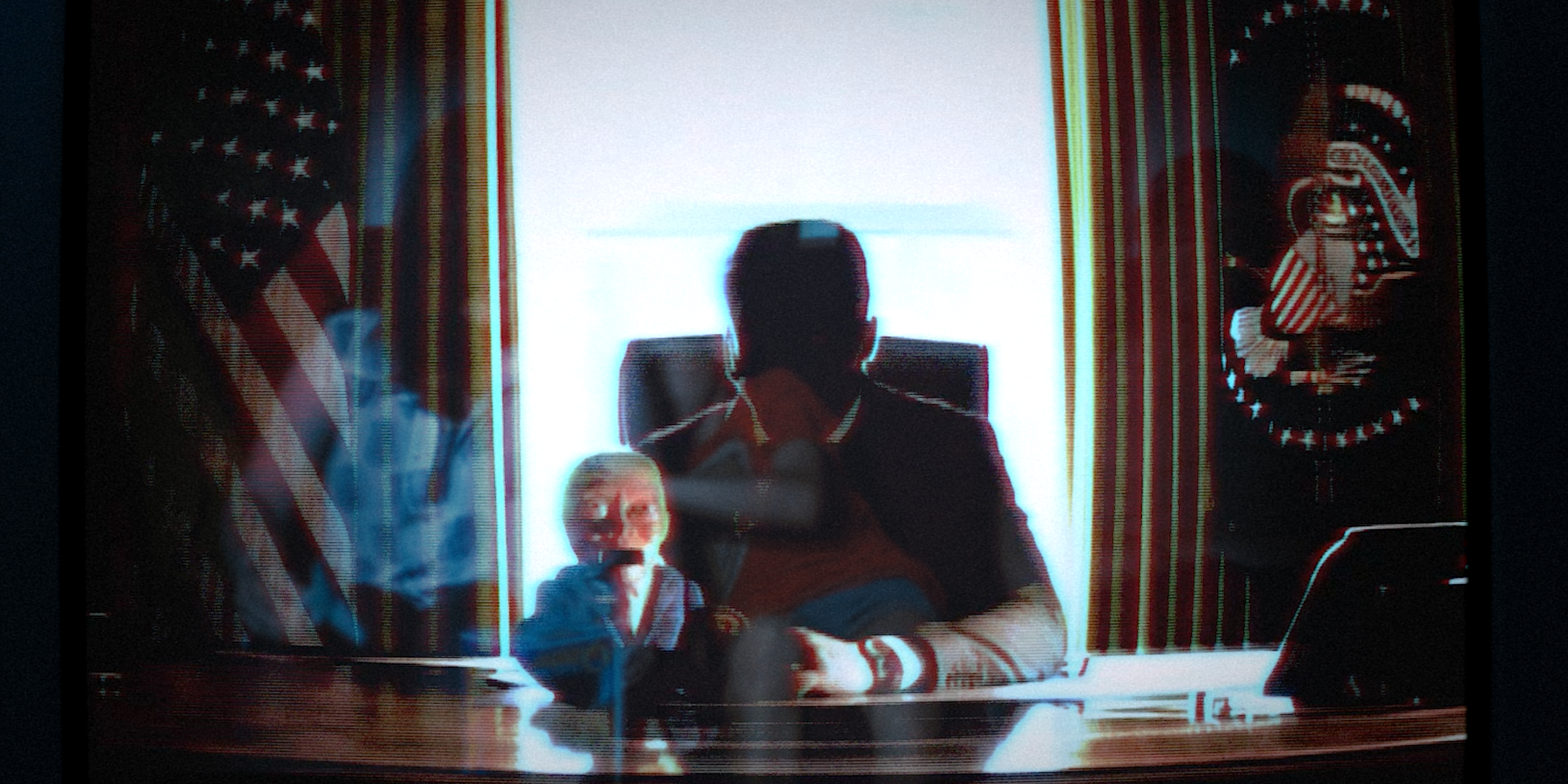
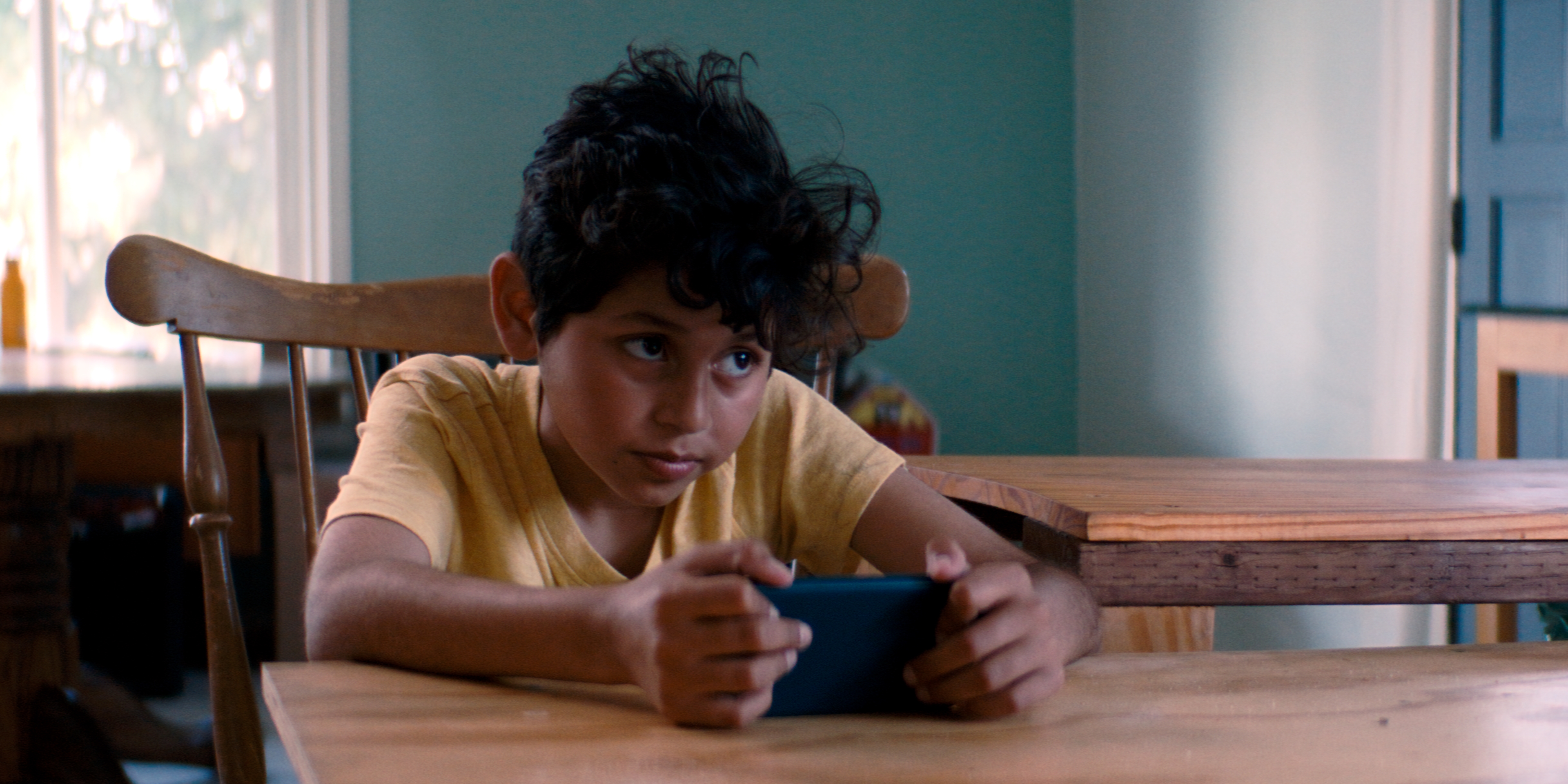
In the chaos of a humanitarian crisis, a woman struggles to access vital government food support for her family. Meanwhile, her young nephew is captivated by an authoritarian leader who absurdly presents himself as: SuperBigote.
--Inspired by true events.
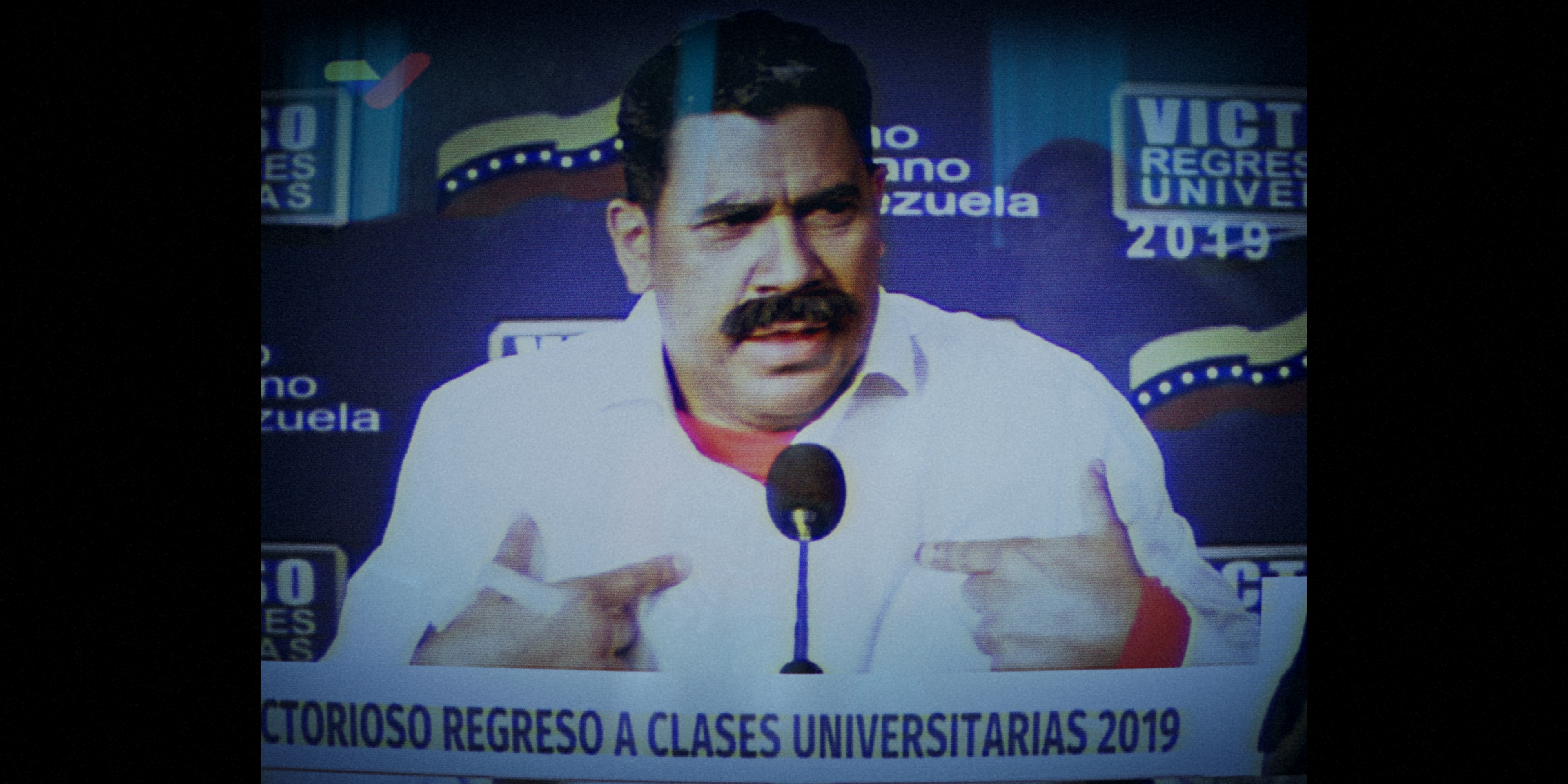
Set during the period leading up to Nicolas Maduro's 2024 third re-election campaign, Bigote or (The Happy Anarchy Of Bureaucracy) explores Venezuela’s ongoing humanitarian crisis from the perspectives of a six years-old child and a single parent. Using a retro telenovela aesthetic, Bigote re-enacts (in live-action) an actual state-approved cartoon starring Nicolas Maduro in red spandex. The state-mandated fiction seeps into the everyday life of characters inspired by my family and life experiences as a child in Venezuela during the Chavez administration.
If the narrative uses a light-hearted superhero telenovela for backdrop, the reality is much more nuanced: over 7.7 million Venezuelans have left the country since 2014, due to violence from both the government and gangs, hyperinflation, shortages of food and essential services. In response to the ongoing crisis, the Venezuelan government implemented a subsidized food system at a national level. To keep track of recipients –and individual's voting history– a census-based I.D. card was introduced, leading to discrimination amongst recipients of the subsidized food packages. On Christmas day of 2023, the government distributed SuperBigote toys (modeled in Maduro’s image) to children from underprivileged neighborhoods. None of these would have been fully achievable without China’s support in supplying said I.D. cards, toys, or the launch of a national television satellite.
With sensationalism in the media becoming the norm, Bigote aims to propose and support a different approach to storytelling. If violence (used as an umbrella term here) is part of the human experience, its everyday presence and witnessing is widely ignored or desensitized due to its biased representation as only existing within two realms: 1) physical or 2) verbal. Rather than focusing on the graphic images provided by world-media covering the clash between protesters and the state, Bigote focuses instead on representing a slower third form of violence pivotal to the current crisis: bureaucracy.
As a Venezuelan-Swiss child of immigration, raised between the two countries, the concepts of duality, state authority and belonging have been omnipresent in my upbringing and find their way in Bigote. The Spanish-dubbed re-enactments (borrowing original audio from the real cartoon) oppose the use of English in spoken dialogues to reflect this dissonance between language, culture and representation. Although the narrative centers on issues and parameters specific to Venezuela’s socio-political situation, this work aims to interrogate the broader role of film as a tool for distraction and narrative reshaping amidst a global political landscape where individual critical thinking is fading rapidly.
Today, due to my current geographic location, I find myself in a position of privileges which allows me to create somewhat freely. Bigote is a reflection of that privilege and my stance in centering humanity over entertainment; while tracing political parallels of bigotry between Venezuela’s fascist politics, and oppressive Economic Empires.
© 2025